

Challenge:
How might we envision bold, new possibilities for large-volume drug delivery devices that are digitally enabled and connected, user-centric, and respond to the evolving needs of patients?

Research showed:
Sustainability gap in OBDS materials
PLA/PCL biocomposites enable eco-friendly disposables
Clinical look increases anxiety + stigma
Fashion-integrated wearables improve acceptance

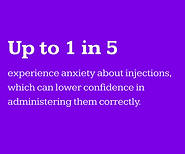
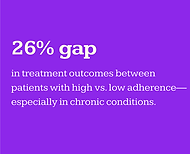
A gap analysis revealed that current devices are lacking:
-
Support for >10 mL volumes delivered comfortably
-
Currently, rigid, medical form factors aren’t discreet or wearable for long durations
-
There is limited accessibility for users with visual, motor, or cognitive impairments
-
There is high environmental impact, and designs induce fear with limited flexibility
Interviews
Examples of questions included:
-
What are you being treated for?
-
How often do you use an OBDS? Where?
-
What were your initial thoughts or concerns before starting OBDS?
-
Do you use any apps or digital tools to support your treatment?
-
How easy or difficult is it to apply and remove the OBDS?
-
Is there anything you keep track of manually (vitals, feelings, symptoms, etc) during the process?
-
How would you like to know your dose is done? (visually, haptics etc…)
-
Would you like the OBDS to be more customizable (e.g., color, shape)?
-
If you could design an ideal OBDS, what would it look and feel like?

Prototype
From user interviews and research, I decided a patch design with an optional belt would be ideal for users who wanted a versatile fit. This design also includes TENS numbing technology, vital tracking, and a retractable needle.


Patient Personas
Maya
48 years old
Wife, and mother of two childrenHigh school teacher
Avid hiker
Diagnosed with HER2-positive breast cancer
After several IV infusions at the hospital, Maya is starting self-subcutaneous injections into the thigh, using a fixed-dose formulation to be administered over 8 minutes.


User Journey


Materials


Mobile Design


Features
- Onboarding and help guides
- Dashboard customization
- Integration with EHRData sharing/exporting
- Journal entries
- Notification and alert setting